


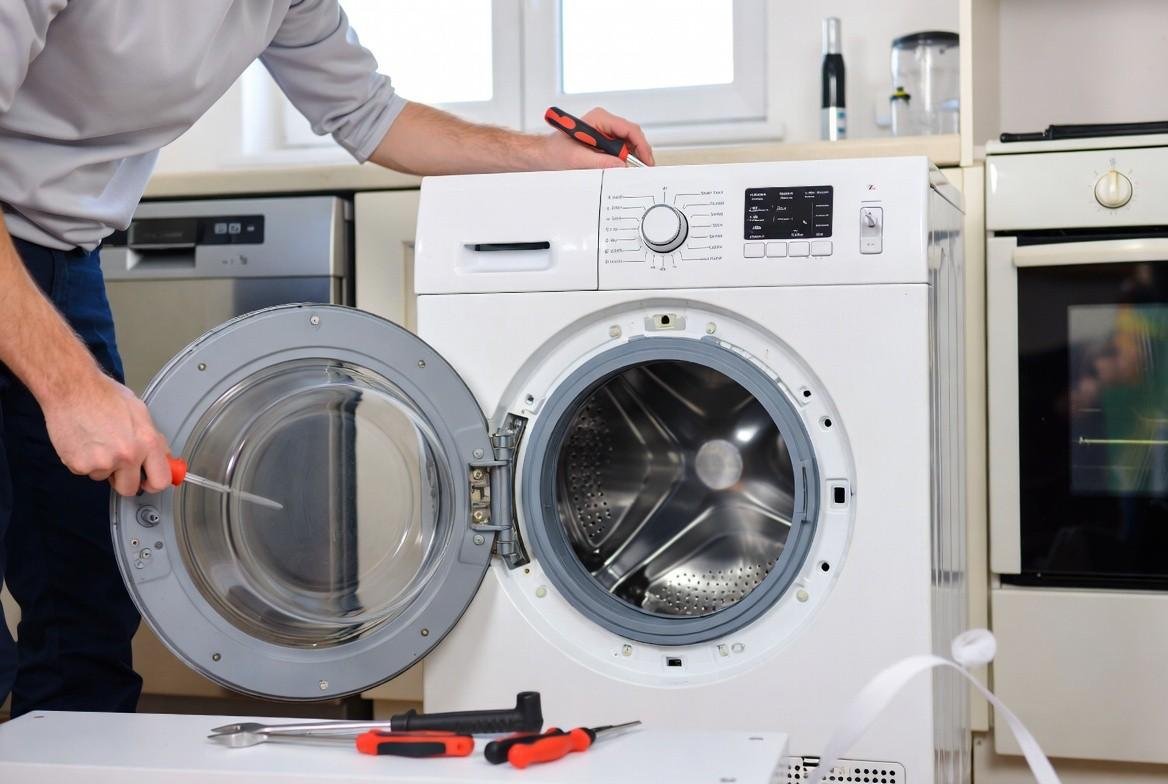
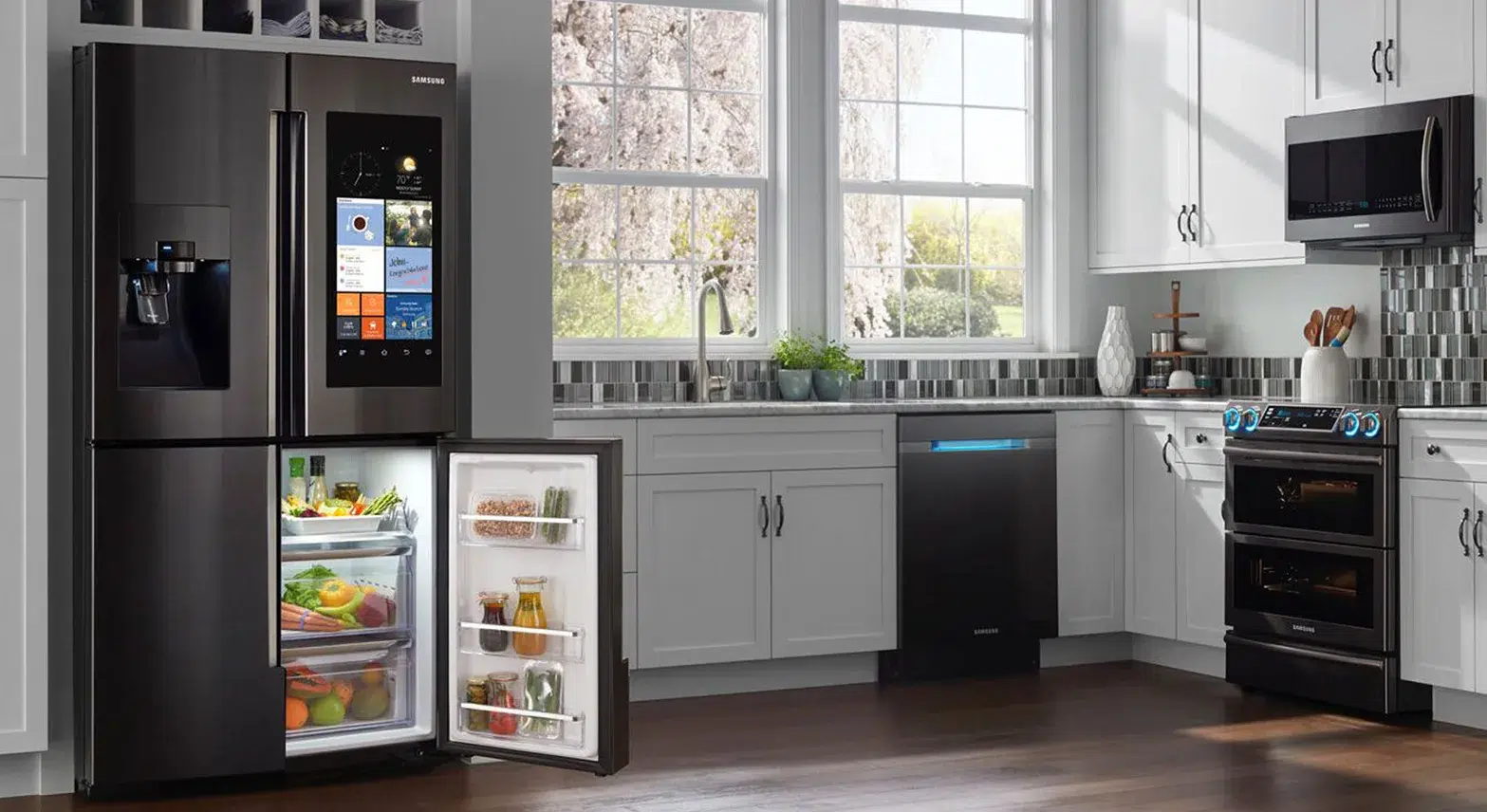
Prioritising appliance access and maintenance when you design or renovate a home saves time, cuts repair costs, and keeps everyday life running smoothly. Good design treats appliances not as permanent furniture but as working equipment so appliance service access in kitchen layout and laundry planning should be part of your floor-plan thinking from day one.
This post will walk you through practical, buildable steps for designing a kitchen for appliance maintenance: from the clearances technicians need to reach service panels and shut-offs, to a usable renovation checklist for appliance repair and smart laundry room layout ideas for easy maintenance. We’ll also cover durable finishes (including when to hire tiling services for kitchen and laundry renovations), how to source replacement parts from trusted suppliers like Prime Appliance Parts, and tips for future-proof kitchen appliance upgrades and accessible appliance installation in home design.
Appliance Clearance & Service-Panel Planning
One of the most common mistakes homeowners make during renovations is underestimating the space appliances need to function and be serviced properly. While appliances may look neat when tightly built into cabinetry, lack of clearance can create problems later when maintenance or replacement is required.
Why Appliance Clearance Matters
Every manufacturer specifies appliance clearance requirements in the kitchen. These dimensions aren’t just about airflow and preventing overheating; they also ensure that technicians can safely access wiring, plumbing, or gas lines during repairs. Ignoring these guidelines often means having to remove cabinets or countertops just to reach a simple connection point.
Key Guidelines for Clearance
- Refrigerators: Leave at least 1–2 inches at the sides and rear for airflow. Plan extra space for pulling it out during service.
- Dishwashers: Allow enough room at the sides and top for easy slide-out access. Ensure plumbing valves and power outlets remain visible or accessible.
- Ovens & Ranges: Maintain clearance at the rear for gas or electrical hookups and include ventilation space above.
- Washing Machines & Dryers: Allow at least an inch around the units for vibration and easy hose/electrical checks.
Service Panels & Utility Access
A crucial part of designing a kitchen for appliance maintenance is ensuring that circuit breakers, shut-off valves, and service panels aren’t blocked by cabinets or fixed shelving. Incorporating kitchen layout tips for service panels like placing them in accessible corners or within utility closets reduces downtime and improves safety when quick repairs are needed.
In short, smart clearance planning and thoughtful service-panel placement form the foundation of a maintenance-friendly home. They belong at the top of any renovation checklist for appliance repair, right alongside budgeting and material choices.
Flooring & Tiling Adjustments
When planning your kitchen or laundry renovation, the type of flooring you choose is just as important as your cabinetry and appliance layout. Heavy appliances like refrigerators, dishwashers, and washing machines put continuous pressure on the floor, and if the surface isn’t durable, it can lead to cracks, chips, or uneven wear.
Why Flooring Matters for Appliance Maintenance
Appliances are not only heavy but are also frequently moved for servicing or replacement. Without sturdy flooring, sliding a washing machine forward or pulling out a dishwasher could damage the surface. This makes flooring choices a critical part of designing a kitchen for appliance maintenance and ensuring your renovation stands the test of time.
Benefits of Professional Tiling Services
When durability and long-term strength are priorities, tiling becomes one of the best options. Professional Tiling Services for kitchen and laundry renovations offer:
- Durability: Tiles withstand the weight and vibrations of large appliances.
- Moisture Resistance: Ideal for laundry rooms where leaks or spills are common.
- Easy Cleaning: Stains, detergent spills, and dirt can be cleaned without hassle.
- Long-Term Value: Properly installed tiles can last decades, even under heavy use
For example, when installing a washing machine, moisture-resistant tiles protect the subfloor from water leaks. In the kitchen, strong tiling ensures that moving an oven or refrigerator for repairs doesn’t leave permanent floor damage.
Flooring Adjustments for Appliance Access
While aesthetics are important, flooring should also support functionality. Slightly raising flooring levels, planning tile expansion gaps, or choosing slip-resistant finishes can make a difference when accessing appliances for servicing. In short, professional tiling adds both style and practicality to your renovation checklist for appliance repair.
Laundry Room Layout for Easy Maintenance
A laundry room is often one of the hardest-working areas in any home, yet it’s also the space where poor planning can cause the most frustration. Tight corners, blocked valves, and cramped layouts make simple servicing tasks difficult. By incorporating laundry room layout ideas for easy maintenance early in your renovation, you can create a functional space that supports daily use and simplifies appliance care.
Key Design Considerations
- Adequate Spacing Around Machines
Leave at least one to two inches of space around washers and dryers. This prevents vibration damage, allows heat to dissipate, and ensures hoses or vents can be inspected without removing the appliances completely.
- Accessible Water Valves and Power Outlets
Many homeowners make the mistake of hiding shut-off valves or outlets behind stacked machines or cabinetry. Instead, ensure these are placed at arm’s reach. This aligns with accessible appliance installation in home design, reducing stress during maintenance or emergencies.
- Drainage and Flooring Protection
Incorporating floor drains and moisture-resistant tiling keeps the area safe from leaks or overflows. This is where Tiling Services for kitchen and laundry renovations provide long-term protection, ensuring water issues don’t damage flooring or walls.
- Ventilation and Airflow
Dryers require proper venting to prevent moisture buildup and overheating. Include clear vent pathways in your renovation checklist for appliance repair to avoid costly maintenance later.
Long-Term Flexibility
When considering your laundry room design, also think ahead. By leaving room for slightly larger machines, you prepare for future proof kitchen appliance upgrades and laundry replacements without major remodeling.
A well-planned laundry layout not only saves time during servicing but also protects your appliances and flooring from avoidable damage.
Future-Proofing Your Kitchen and Laundry Spaces
Appliances are constantly evolving with new technology, energy-efficient designs, and smart features. A layout that feels perfect today may feel restrictive when you decide to upgrade in a few years. That’s why future proof kitchen appliance upgrades should be part of every renovation plan. Designing with adaptability in mind ensures your home remains functional and modern without the need for costly structural changes.
Flexible Space Planning
- Extra Width and Height: Leave a few additional inches in cabinetry cut-outs and appliance bays. This allows you to swap in larger or differently shaped appliances later.
- Adjustable Shelving and Cabinetry: Modular cabinets can be modified if you choose a different model or brand.
- Utility Provisions: Installing additional outlets, reinforced power circuits, or extra water lines gives flexibility for new appliances down the line.
Smart & Accessible Installations
Incorporating accessible appliance installation in home design doesn’t just benefit today’s servicing needs it ensures your future appliances can also be installed and serviced without complications. For example:
- Keeping shut-off valves and service panels unobstructed.
- Using removable panels in cabinetry for quick rear access.
- Choosing flooring and tiling that can withstand multiple appliance replacements over decades.
Long-Term Savings
By designing with the future in mind, you avoid expensive alterations when it’s time to upgrade. Whether it’s adding a smart oven, a larger washer, or eco-friendly systems, your home will be ready to accommodate new technology seamlessly.
Future-proofing ultimately ties back to convenience, safety, and cost-effectiveness. With the right foresight, you can enjoy a layout that adapts to your lifestyle rather than restricts it.
Sourcing Reliable Appliance Parts
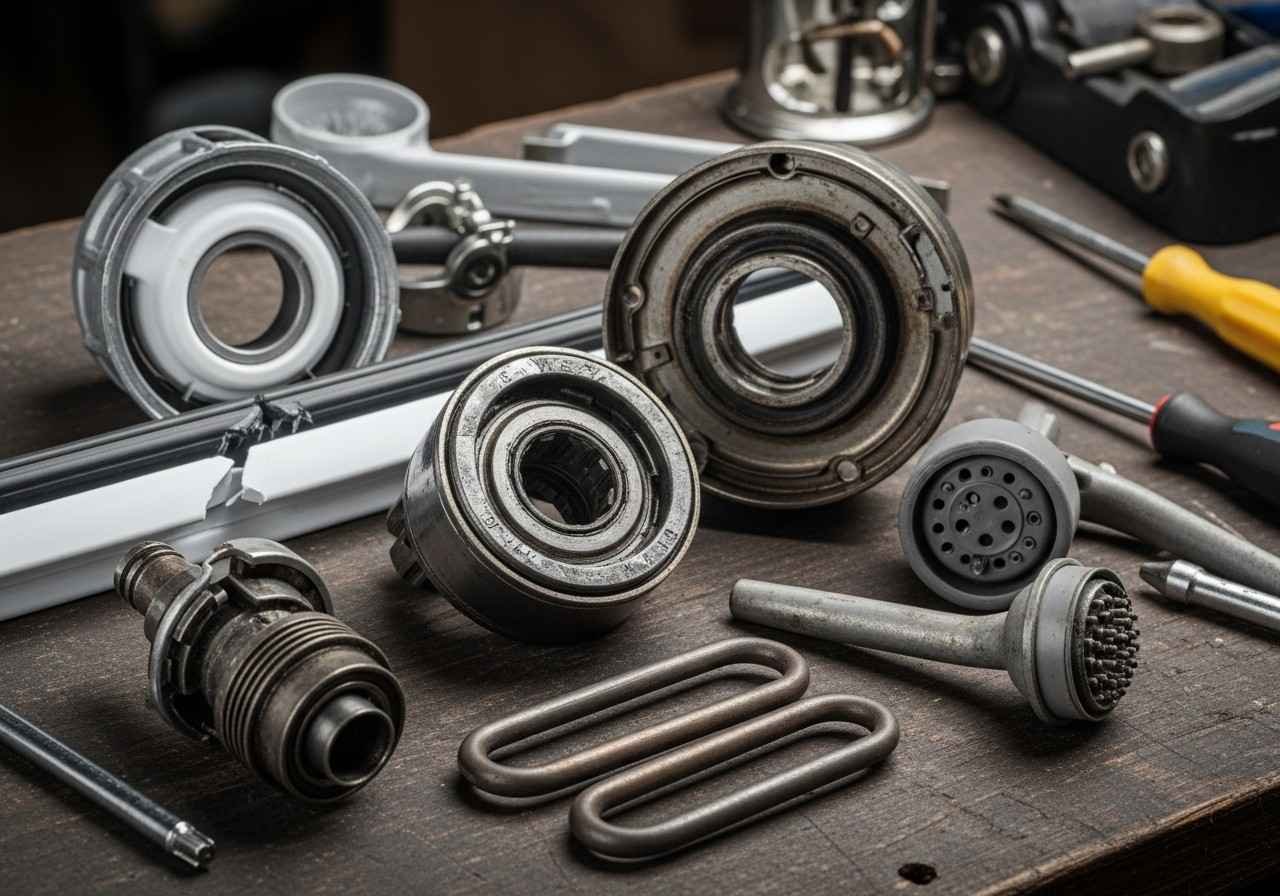
Even with careful planning and durable installations, appliances will eventually need replacement parts. From small items like oven knobs and dishwasher filters to more essential components like heat pumps or rangehood filters, sourcing reliable parts is crucial to keeping your home running smoothly.

For homeowners in Australia, Prime Appliance Parts acts as a trusted supplier for replacements and maintenance essentials. Whether you’re tackling a minor repair yourself or preparing for a technician’s visit, you can improve performance and extend appliance life by using genuine parts from Prime. Beyond just parts, Prime also provides practical appliance replacement and maintenance tips, helping you get the most value out of your appliances. Even with careful planning and durable installations, you will eventually need replacement parts. From small items like oven knobs and dishwasher filters to more essential components like heat pumps or rangehood filters, you must source reliable parts to keep your home running smoothly.
For homeowners in Australia, Prime Appliance Parts serves as a reliable seller for replacements and maintenance essentials. Whether you’re tackling a minor repair yourself or preparing for a technician’s visit, you can improve performance and extend appliance life by using genuine parts from Prime. Beyond just parts, Prime also provides practical appliance replacement and maintenance tips, helping you get the most value out of your appliances.
Why Choose Quality Parts?
- Longevity: Genuine parts match your appliance specifications, reducing wear and tear.
- Safety: Correct components ensure your appliance operates safely.
- Efficiency: High-quality replacements help appliances maintain their intended energy efficiency.
For a homeowner looking to future-proof their spaces, reliable parts and knowledgeable suppliers are as important as good design.
Final Thoughts
A home layout designed with appliance access and maintenance in mind is more than just a convenience; it’s an investment in efficiency, safety, and long-term value. By incorporating appliance service access in kitchen layout, planning with appliance clearance requirements in the kitchen, and using practical laundry room layout ideas for easy maintenance, you’ll reduce costly disruptions and extend the life of your appliances.
Durable flooring, made possible through professional Tiling Services for kitchen and laundry renovations, adds strength and resilience to these high-use spaces. Looking ahead, preparing for future proof kitchen appliance upgrades and prioritizing accessible appliance installation in home design will ensure your home remains adaptable as technology advances.
Finally, don’t forget the importance of sourcing the right parts when you need replacements. With suppliers like Prime Appliance Parts, you have a reliable partner to keep your kitchen and laundry functioning at their best.
Design today with tomorrow in mind, and your home will always be ready to support your lifestyle without unnecessary headaches or expenses.

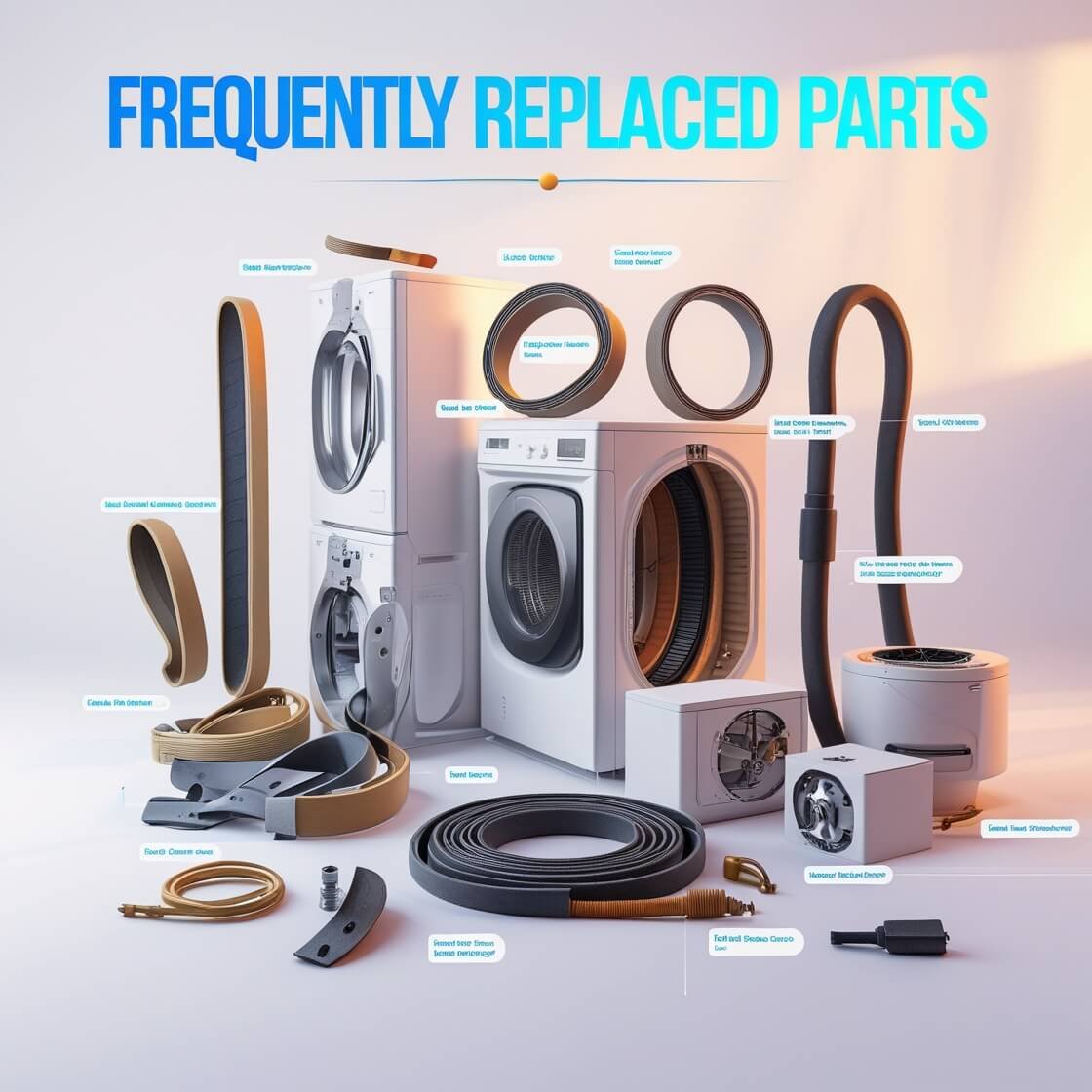
Home appliances are essential for everyday convenience, but over time, various parts wear out due to continuous use. Regular maintenance and timely replacements can prevent common appliance repairs and ensure optimal performance. This guide highlights the most replaced appliance parts and provides tips on keeping your household devices in top shape.
Why Appliance Parts Need Regular Replacement
Several factors contribute to appliance parts wearing out faster than expected:
- Frequent use – Everyday operation causes gradual wear and tear.
- Power surges – Electrical fluctuations can damage internal components.
- Improper maintenance – Lack of cleaning and servicing reduces efficiency.
- Mechanical failure – Parts like belts, fans, and motors degrade over time.
By understanding these causes, homeowners can proactively replace faulty parts before they lead to costly repairs.
Common Appliance Parts That Need Frequent Replacement
1. Refrigerator Replacement Parts
- Water Filters – Essential for clean, fresh-tasting water, needs changing every six months.
- Door Gaskets – Worn-out seals cause cold air leaks and higher energy bills.
- Condenser & Evaporator Fans – Critical for efficient cooling and preventing overheating.
- Thermostats & Sensors – Help regulate internal temperature for food preservation.
2. Washing Machine Spare Parts
- Drain Pumps – A clogged or malfunctioning pump can lead to drainage issues.
- Belts & Pulleys – Responsible for drum movement, these parts loosen or snap over time.
- Water Inlet Valves – Control water flow into the machine and can become faulty.
- Door Seals (Front Loaders) – Susceptible to mold buildup, leading to leaks.
3. Dishwasher Repair Parts
- Spray Arms – Clogs or cracks reduce cleaning effectiveness.
- Filters – Must be replaced periodically to prevent food buildup.
- Door Latch & Seals – Ensure a watertight seal to avoid leaks.
- Heating Elements – Needed for proper drying; malfunctioning elements can lead to wet dishes.
4. Oven and Stove Parts
- Burner Elements – Electric burners can wear out and stop heating evenly.
- Igniters & Spark Modules – Gas stove igniters may fail, preventing proper ignition.
- Temperature Sensors – Ensure accurate oven temperature regulation.
- Door Gaskets – Help retain heat for efficient cooking and energy conservation.
Signs That Indicate Parts Need Replacement
- Unusual noises – Grinding or rattling sounds may indicate mechanical failure.
- Reduced efficiency – Appliances take longer to complete tasks or underperform.
- Leaks or water pooling – Often due to faulty seals, hoses, or pumps.
- Inconsistent temperatures – Possible thermostat or sensor issues.
- Unresponsive controls – Electrical component failure could be the cause.
How to Choose the Right Replacement Parts
- OEM vs. Aftermarket Parts – Consider original equipment manufacturer (OEM) parts for better compatibility.
- Compatibility Check – Ensure the part fits your specific appliance model.
- Reading Customer Reviews – Helps determine product reliability.
- Buying from Trusted Suppliers – Ensures you get genuine, high-quality parts.
Where to Buy Quality Appliance Parts
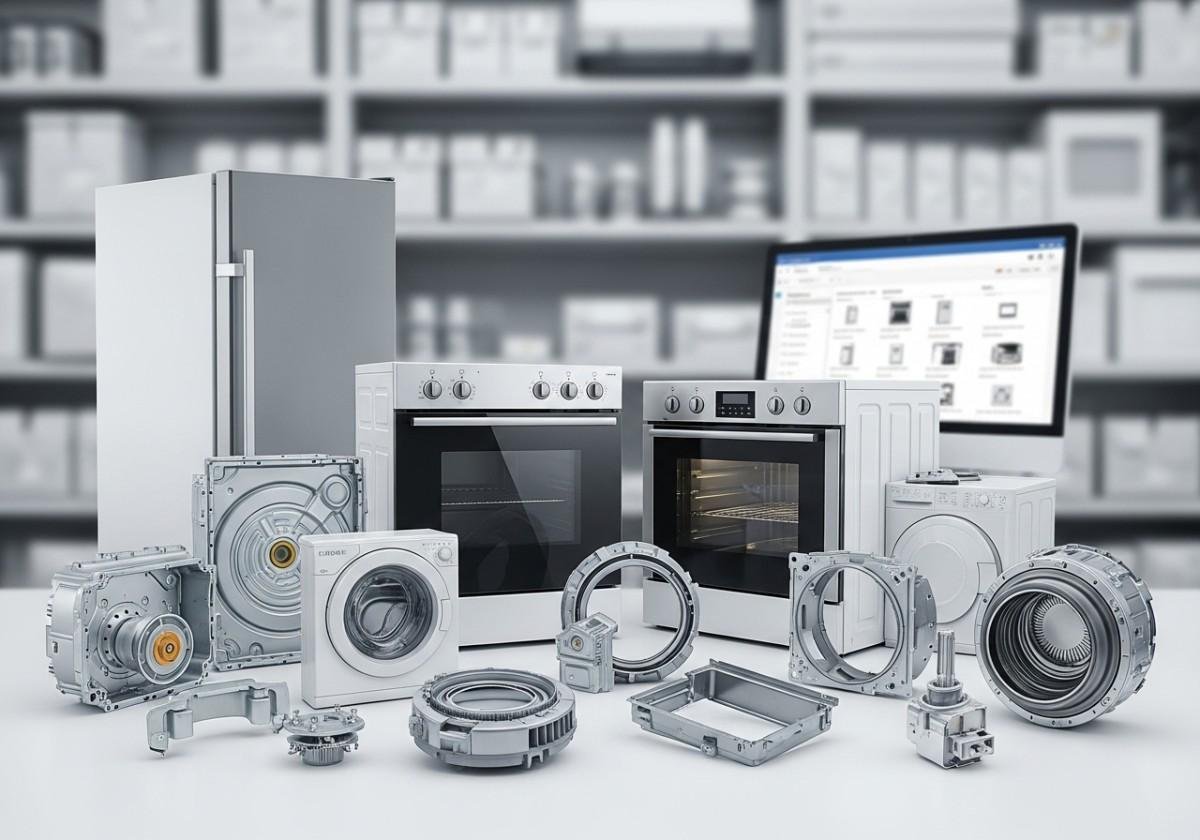
For reliable replacements, Prime Appliance Parts offers a wide selection of genuine spare parts, fast shipping, and competitive pricing. Shopping from a reputable supplier ensures you get high-quality refrigerator replacement parts, washing machine spare parts, dishwasher repair parts, and oven and stove parts for long-lasting performance.
Conclusion
Maintaining household appliances involves timely replacements to prevent costly common appliance repairs. By identifying and replacing the most replaced appliance parts, homeowners can extend the lifespan of their appliances and ensure smooth operation. Visit Prime Appliance Parts for high-quality replacements and expert guidance on finding the right part for your appliance.
FAQs & Answers:
1. What are the most commonly replaced parts in home appliances?
Some of the most frequently replaced parts include refrigerator water filters, washing machine belts, oven heating elements, dishwasher spray arms, and dryer thermal fuses.
2. How often should I replace my washing machine parts?
It depends on the part. Hoses should be replaced every 3-5 years, while drive belts and pumps may need replacement every 5-7 years, depending on usage and wear.
3. What signs indicate a refrigerator part needs replacing?
Common signs include unusual noises, inconsistent cooling, excessive frost buildup, or water leaks. A faulty thermostat, evaporator fan, or door seal could be the cause.
4. Can I replace an oven heating element myself?
Yes, in most cases. Turn off the power, remove the old element, and install the new one by connecting it to the existing wiring. Always check the manufacturer’s instructions for safety.
5. Where can I buy high-quality spare parts for appliances?
You can find genuine spare parts from authorized dealers, manufacturer websites, and reputable online retailers specializing in appliance parts.
6. How do I know if a part is faulty or needs a repair?
If an appliance is not functioning correctly, check for visible damage, unusual noises, or error codes. Testing components like fuses, thermostats, or motors with a multimeter can help determine if they need replacement.

As the seasons change, it’s essential to focus on kitchen appliance maintenance to keep your appliances running efficiently. Regular preventive care for appliances not only improves performance but also helps in avoiding costly appliance repairs in the long run. Spring is the perfect time to deep clean and inspect your kitchen appliances, ensuring they remain in top shape for the rest of the year. Follow these best practices for appliance care to keep your kitchen in excellent condition.
Why Spring Appliance Maintenance is Essential
Spring is an ideal time for how to clean home appliances thoroughly and check for any potential issues. Over time, food residue, dust, and grease build up inside and around your appliances, leading to inefficiencies and possible breakdowns. By taking the time to inspect and clean your kitchen gadgets, you contribute to extending appliance lifespan while saving money on energy bills and repairs.
10 Must-Do Spring Maintenance Tasks
1. Deep Clean Your Refrigerator & Freezer
- Remove expired food and wipe down shelves with a gentle cleaning solution.
- Vacuum the condenser coils to prevent overheating and maintain energy efficiency.
- Replace the water filter to keep ice and water fresh.
2. Inspect & Clean the Dishwasher
- Remove and clean the filter to prevent clogs and ensure smooth operation.
- Run a cleaning cycle using vinegar or a dishwasher cleaner to eliminate odors and buildup.
- Check the spray arms for blockages and clean them thoroughly.
3. Refresh Your Microwave
- Wipe down the interior with a mixture of vinegar and water to remove stains and odors.
- Clean vents to prevent overheating and prolong appliance life.
- Remove and wash the turntable for a fresh, sanitized cooking surface.
4. Maintain Your Oven & Stovetop
- Run the self-cleaning cycle or scrub the interior manually to remove grime.
- Clean burner grates and stovetop surfaces to ensure proper heat distribution.
- Inspect the oven door seals for wear and tear to prevent heat loss.
5. Descale Your Coffee Maker & Kettle
- Run a descaling cycle with vinegar or a descaling solution to remove mineral buildup.
- Clean all removable parts, including the water reservoir and coffee filter holder.
- Check for signs of scale deposits that could affect the taste of your beverages.
6. Clean & Inspect Your Range Hood & Filters
- Remove grease filters and soak them in warm, soapy water.
- Wipe down the hood exterior and vents to maintain proper airflow.
- Ensure the fan is functioning efficiently to remove kitchen fumes.
7. Check & Maintain Your Garbage Disposal
- Run ice cubes and citrus peels through the disposal to clean and freshen it.
- Use baking soda and vinegar to break down the buildup inside the unit.
- Inspect for leaks or unusual noises that might indicate mechanical issues.
8. Defrost & Clean Your Ice Maker
- Remove old ice and clean the ice tray with warm, soapy water.
- Flush the system to eliminate mineral deposits and prevent clogs.
- Ensure the ice maker is producing ice efficiently without any blockages.
9. Inspect & Clean Your Toaster or Toaster Oven
- Empty and clean the crumb tray to prevent fire hazards.
- Wipe down heating elements to remove food residue.
- Test the timer and heating settings to ensure proper functionality.
10. Check Small Appliances & Cords for Wear
- Inspect power cords for any signs of fraying or damage.
- Clean blenders, mixers, and food processors thoroughly to prevent food buildup.
- Ensure all appliances are in working condition and replace any worn-out parts.
Additional Spring Maintenance Tips
- Schedule professional servicing for major appliances if necessary.
- Reorganize your kitchen storage to improve efficiency.
- Consider upgrading outdated appliances for better performance and energy savings.
Conclusion
Regular kitchen appliance maintenance is crucial for extending appliance lifespan and keeping your kitchen running smoothly. By following these best practices for appliance care, you can ensure that your appliances remain in top condition while avoiding costly appliance repairs. Make spring cleaning a habit and enjoy a more efficient and well-maintained kitchen throughout the year!
FAQs & Answers: Appliance Maintenance
1. What is the best way to maintain my refrigerator?
To keep your refrigerator running efficiently, clean the condenser coils every six months, check door seals for tightness, and avoid overloading. Set the temperature between 37-40°F (3-4°C) and keep the freezer at 0°F (-18°C) for optimal performance.
2. How often should I clean my dishwasher filter?
Clean your dishwasher filter at least once a month to prevent clogs and odors. Remove the filter, rinse it under warm water, and use a soft brush to scrub off debris.
3. What are common causes of oven breakdowns?
Frequent oven failures result from faulty heating elements, broken door seals, or electrical issues. Grease buildup can also affect performance, so regular cleaning is essential.
4. Can regular maintenance prevent appliance repairs?
Yes, routine maintenance extends the lifespan of appliances and reduces unexpected breakdowns. Cleaning filters, checking seals, and inspecting components can help catch issues early.
5. How do I keep my washing machine running smoothly?
Use the right amount of detergent, avoid overloading, clean the lint trap (for top-loaders), and run a cleaning cycle with vinegar and baking soda once a month.
6. What cleaning products are safe for kitchen appliances?
Use mild dish soap, vinegar, and baking soda for most kitchen appliances. Avoid harsh chemicals like bleach or ammonia, as they can damage surfaces and internal components.

A dishwasher is an essential appliance in any kitchen, but over time, hard water buildup in the dishwasher can lead to limescale deposits, affecting its performance. Regular descaling helps maintain efficiency and ensures your dishes come out spotless. In this guide, we’ll explain how to descale a dishwasher, how often to do it, signs that it needs cleaning, and tips for preventing scale buildup.
What is the Dishwasher Scale?
Dishwasher scale is a chalky white residue caused by mineral deposits from hard water. Over time, these deposits can build up on the dishwasher’s interior, spray arms, and heating elements, reducing efficiency and leaving dishes cloudy. Using the best dishwasher descaler or cleaning a dishwasher with vinegar can help remove these stubborn deposits and restore your appliance’s performance.
How Often Should You Descale Your Dishwasher?
The frequency of descaling depends on your water hardness. If you live in an area with hard water buildup in the dishwasher, descaling once a month is recommended. For households with soft water, descaling every three months should suffice. Regular maintenance helps extend your dishwasher’s lifespan and keeps it running efficiently.
Signs That Your Dishwasher Needs Descaling
Not sure if it’s time to descale? Look out for these signs:
- Cloudy dishes and glassware even after a wash cycle.
- White or chalky residue inside the dishwasher.
- Slow water drainage due to clogged spray arms and filters.
- A musty odor indicating limescale buildup.
- Longer washing cycles as the appliance struggles to clean effectively.
Step-by-Step Guide to Descaling Your Dishwasher
Method 1: Using a Commercial Dishwasher Descaler
- Empty the dishwasher – Remove all dishes and utensil trays.
- Check the manual – Some manufacturers recommend specific descaling products.
- Place the descaler – Pour the best dishwasher descaler into the detergent compartment or directly into the bottom of the dishwasher.
- Run a hot water cycle – Set your dishwasher to the hottest setting and let it run.
- Wipe the interior – After the cycle, wipe down the inside with a damp cloth to remove any remaining residue.
Method 2: Descaling a Dishwasher Naturally
If you prefer a natural method, try cleaning the dishwasher with vinegar:
- Fill a cup with white vinegar and place it on the top rack.
- Run a hot water cycle to break down limescale deposits.
- Sprinkle baking soda on the bottom of the dishwasher and run a short cycle for extra freshness.
- Wipe down the dishwasher with a clean cloth to remove any leftover residue.
Tips for Preventing Scale Buildup
- Use water softeners if you have hard water.
- Regularly run an empty hot water cycle with vinegar once a month.
- Clean filters and spray arms weekly to prevent clogging.
- Use dishwasher-safe salt if recommended by the manufacturer.
- Invest in high-quality dishwasher detergent to reduce mineral buildup.
Need Spare Parts for Your Dishwasher?
If your dishwasher needs repairs, consider replacing worn-out parts to maintain optimal performance. Prime Appliance Parts offers a range of high-quality dishwasher and oven parts, including:
These spare parts help extend the lifespan of your appliances and ensure they function like new ones.
Why Choose Prime Appliance Parts for Appliance Parts Needs?
At Prime Appliance Parts, we provide high-quality genuine appliance parts to keep your dishwasher, oven, and other kitchen appliances running smoothly. With affordable pricing, fast shipping, and expert customer support, you can trust us for all your appliance repair needs.
Frequently Asked Questions:
Why is descaling a dishwasher important?
Descaling helps remove hard water buildup, limescale, and mineral deposits, ensuring your dishwasher runs efficiently and extends its lifespan.
How often should I descale my dishwasher?
It depends on your water hardness, but generally, you should descale your dishwasher every 1-3 months for optimal performance.
What is the best way to describe a dishwasher?
You can use a commercial dishwasher descaler or natural alternatives like vinegar and baking soda to remove limescale and buildup.
Can I use vinegar to descale my dishwasher?
Yes, white vinegar is a safe and effective natural descaler. Simply place a cup of vinegar on the top rack and run a hot water cycle.
What are signs that my dishwasher needs descaling?
If you notice cloudy glassware, slow drainage, white residue, or a musty smell, it’s time to descale your dishwasher.
Is it safe to use citric acid for descaling a dishwasher?
Yes, citric acid is a great natural descaler that helps break down limescale and mineral buildup without damaging your dishwasher.

In today’s digital world, shopping for appliance parts online has become the most convenient way to repair and maintain household appliances. Whether you need to fix a broken washing machine, replace an oven part, or repair a refrigerator, knowing where to buy appliance parts online can save time, money, and effort. However, with countless options available, finding the best appliance parts store can be overwhelming. This guide will help you identify the key factors to consider when selecting a reliable appliance parts supplier and ensure you get affordable appliance replacement parts without compromising quality.
Why Buy Appliance Parts Online?
Purchasing online appliance repair parts has several advantages:
- Convenience: Shop from the comfort of your home without visiting physical stores.
- Wider Selection: Access a vast inventory of parts that might not be available locally.
- Price Comparisons: Easily compare prices across multiple stores to find the best deals.
- Customer Reviews: Read feedback from other buyers to assess quality and reliability.
Key Factors to Consider When Choosing an Online Appliance Parts Store
1. Product Authenticity & Quality
When you buy appliance parts online, ensuring the authenticity of the product is crucial. Look for stores that offer genuine OEM (Original Equipment Manufacturer) parts, as these guarantee compatibility and longevity. Avoid generic or counterfeit products that may lead to further damage.
2. Compatibility & Detailed Product Listings
The best appliance parts store should provide clear product descriptions, model numbers, and compatibility checkers. Always verify the part number with your appliance model to avoid purchasing the wrong item.
3. Reputation & Customer Reviews
Before making a purchase, research the store’s reputation. Read customer reviews on platforms like Trustpilot and the Better Business Bureau (BBB). A reputable appliance parts supplier should have positive feedback, quick responses to inquiries, and a strong customer support system.
4. Pricing & Discounts
Finding affordable appliance replacement parts doesn’t mean compromising quality. Compare prices across multiple online stores and look for promotions, bulk discounts, and coupon codes.
5. Shipping & Return Policies
Fast shipping and hassle-free returns are essential when buying online appliance repair parts. Check if the store offers express shipping, reasonable return windows, and fair refund policies.
6. Customer Support & Assistance
A reliable appliance parts supplier should provide excellent customer support through chat, email, or phone. Some top-rated stores also offer expert assistance in selecting the right parts and troubleshooting appliance issues.
Where to Find Spare Parts for Appliances?
When it comes to purchasing high-quality online appliance repair parts, Prime Appliance Parts stands out as a top choice. They specialize in offering genuine OEM parts for a wide range of home appliances, ensuring customers receive durable and reliable components. Prime Appliance Parts provides:
- A vast inventory of affordable appliance replacement parts for refrigerators, dishwashers, ovens, and more.
- A user-friendly website with model number search functionality to help customers find the exact parts they need.
- Competitive pricing, seasonal discounts, and excellent customer service for hassle-free shopping.
- Fast shipping options to ensure minimal downtime when repairing appliances.
Tips for a Smooth Online Appliance Parts Purchase
- Always double-check model numbers before purchasing.
- Read the store’s return policy to avoid issues with refunds or exchanges.
- Compare shipping costs and delivery times to get the best deal.
- Look for promo codes or bulk purchase discounts to save money.
Conclusion
Finding the best appliance parts store requires careful research and consideration. Whether you need to buy appliance parts online for minor fixes or major repairs, choosing a trustworthy appliance parts supplier ensures you get high-quality, affordable appliance replacement parts that extend the life of your appliances. You can shop confidently with reliable stores like Prime Appliance Parts, knowing you’re investing in genuine, durable, and budget-friendly components. Happy repairing
How do I choose a reliable online appliance parts store?
To choose a trustworthy store, look for customer reviews, product authenticity, clear return policies, and responsive customer service. Websites with high ratings on third-party review sites and those that offer OEM parts are generally more reliable.
What should I check before ordering a replacement part online?
Before ordering, verify the part number, model compatibility, warranty information, and return policy. Reading customer reviews and checking for detailed product descriptions can also help ensure you get the correct part.
Are online appliance parts stores cheaper than local shops?
In most cases, online stores offer better prices due to lower overhead costs and the ability to compare multiple retailers. However, local stores may provide faster access to parts and avoid shipping fees, so it depends on urgency and budget.
How can I ensure I’m buying the right part for my appliance?
Check your appliance’s user manual, look up the model number, and use compatibility tools provided by online stores. If unsure, contact customer support or consult with a technician before purchasing.
Can I return a wrong or defective appliance part?
Most reputable online stores offer return policies for defective or incorrect parts. Check the return window, keep the original packaging, and follow the store’s return process for a hassle-free refund or exchange.